
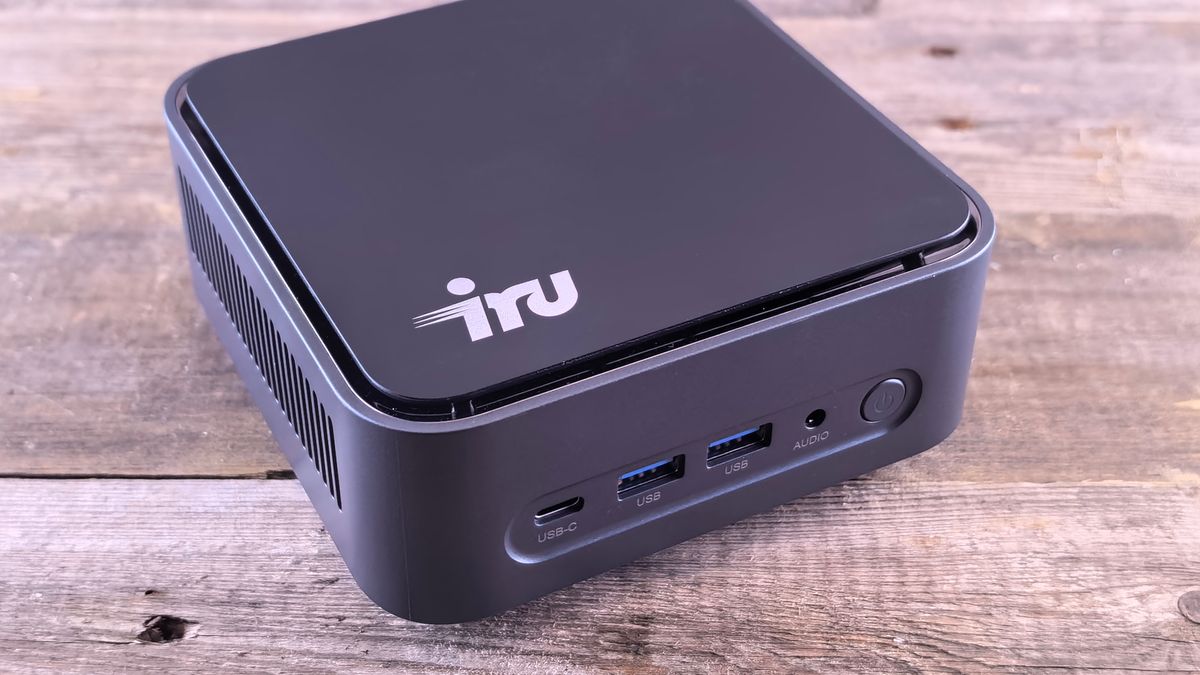
A 4.5 GHz boost clock runs for about ten seconds. Then the chip heats up, the chassis can’t move the heat out fast enough, and the processor pulls itself back to whatever speed keeps the temperature below 100°C. In a desktop tower with a 120mm fan and a fist-sized heatsink, that pullback is small. In a box the size of a paperback, it can cut sustained performance in half. Four mini PCs, four different thermal envelopes — and the fastest chip on the label is not necessarily the fastest one under load.
Affiliate disclosure: This article contains affiliate links. We may earn a commission if you buy through them, at no extra cost to you.
Everything we recommend
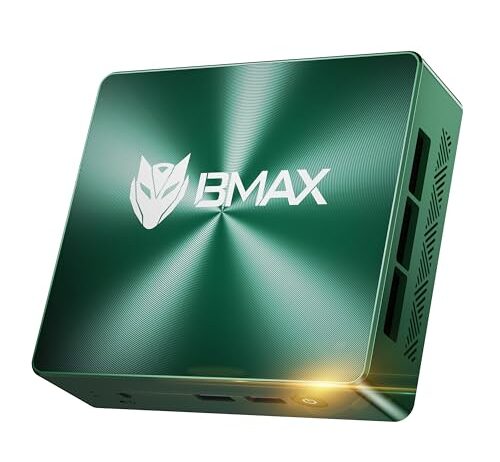
Runs cool because it runs quiet
Bmax Mini PC B6 Turbo, Intel Core i5-8257U (Beats N100/N97/N150/4300U/i3-10110U), 16GB DDR4 RAM 512GB NVMe SSD, Micro Desktop Computer Support 64GB/4TB Expansion, WiFi 6, Dual 4K HDMI/DP, Wi15-watt TDP means the cooling system is never stressed, fans stay slow, and sustained performance stays close to peak. Upgradeable DDR4 and expandable storage.
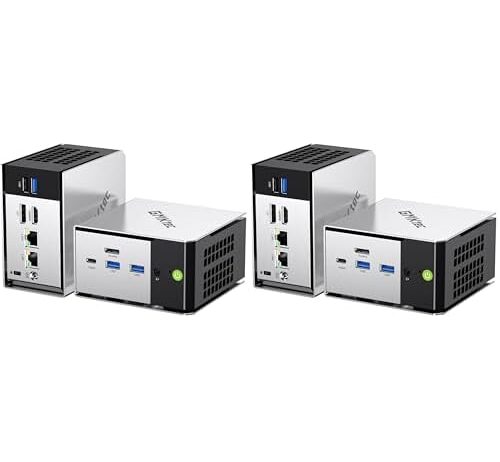
Two nodes, built for uptime
GMKtec Mini PC M8 Desktop Computer AMD Ryzen PRO 6650H (6C/12T 4.50Ghz) Dual NIC LAN 2.5GbE, 16GB LPDDR5 RAM + 512GB Hard Drive PCle SSD, Oculink, USB4, HDMI, USB-C (Pack of 2)Paired Ryzen PRO units with dual 2.5GbE and Oculink for clustered workloads. 45W TDP demands adequate ventilation for 24/7 use.
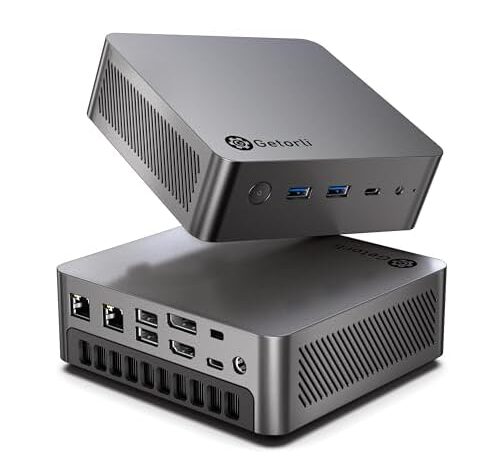
Fastest chip, shortest sprint
Getorli Mini PC AMD Ryzen 7 8745HS CPU Radeon 780M Graphics Compact Gaming PC 16GB DDR5 RAM 500GB NVMe SSD Small Desktop Computer Dual 2.5GLAN 4K HDMI DP Micro PCs WiFi 6 BT5.3 Prebuilt OS OThe 2024 Ryzen 7 8745HS offers the highest peak clocks here with dual 2.5GbE and WiFi 6. Sustained speed depends entirely on how well the chassis handles 54 watts.
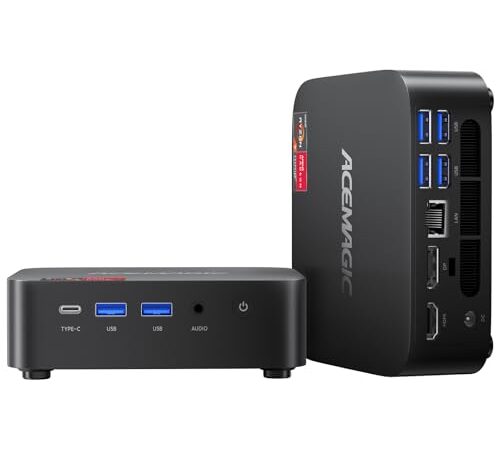
Most RAM, lowest price
ACEMAGICIAN Kron Mini K1 Mini PC, Ryzen 7 7735HS, 24GB LPDDR5 1TB SSD Mini Computers, Small Light Gaming PC 4K@60Hz Triple Display, Mini Desktop WiFi624 GB of LPDDR5 and 1 TB of storage at $499. The Ryzen 7 7735HS is a generation behind but still potent for bursty desktop work and triple-display setups.
Every x86 processor has a thermal ceiling — typically 95°C to 105°C at the die. Cross it and the chip cuts its own clock speed, dropping frequency in steps until heat output matches what the cooling system can actually remove. This is thermal throttling, and it is not a flaw. It is the mechanism that keeps a $500 chip from destroying itself.
In a full-size desktop, throttling rarely matters. A tower case has 15 to 30 liters of internal volume, room for a heatsink the size of a coffee mug, and one or two 120mm fans pushing air across it. A mini PC offers maybe a liter and a half. Same physics, a fraction of the space. The heat has to go somewhere, and there is less surface area to send it through and less air to carry it away.
That mismatch is the entire story of mini PC performance. The processor’s boost clock — the big number on the box — is its peak, achievable for seconds or minutes depending on the thermal solution. Sustained performance is whatever speed the chip can hold once the chassis reaches thermal equilibrium. For a 15-watt chip in a well-ventilated case, that gap might be trivial. For a 54-watt chip in the same size box, it can be dramatic.
How we picked
We did not run these machines. Selections are based on published specifications, processor thermal data from AMD and Intel, and category-level thermal engineering principles.
A processor’s thermal design power determines how much heat the cooling system must remove continuously. We spread from 15W to 54W to show how wattage constrains sustained speed.
LPDDR5 runs at 1.1V versus DDR4’s 1.2V. In a tight chassis, lower memory heat leaves more thermal headroom for the CPU.
Dual 2.5GbE matters for always-on workloads where throttling costs uptime. A WiFi-only unit signals different intended duty.
Soldered LPDDR5 locks you at purchase. SO-DIMM DDR4 lets you add RAM later. That distinction shapes the machine’s useful life.