A 600 GPD reverse osmosis system sounds like it should fill a glass noticeably faster than a 400 GPD model. It doesn’t. GPD measures how many gallons the membrane can process in 24 hours under ideal lab conditions — 77°F water, full rated pressure, a fresh membrane. Your kitchen has none of those things most of the year. What actually controls the speed water reaches your glass is a shorter list: line pressure, membrane surface area, how many filter stages the water passes through before it gets to you, and whether the system stores filtered water or makes it on demand. Here’s how those factors play out across four very different systems.
Affiliate disclosure: This article contains affiliate links. We may earn a commission if you buy through them, at no extra cost to you.
Everything we recommend
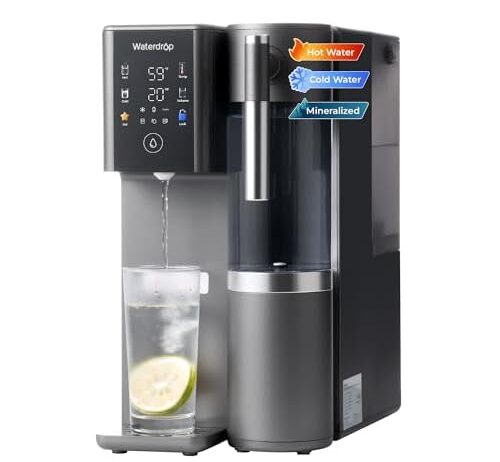
Hot and cold without the plumbing gamble
Waterdrop A2G Mineral Reverse Osmosis System Countertop, Instant Hot & ColdCountertop mineral RO with instant hot and cold dispensing. Sidesteps low-pressure plumbing problems and eliminates the kettle step — at the cost of counter space and continuous power draw.
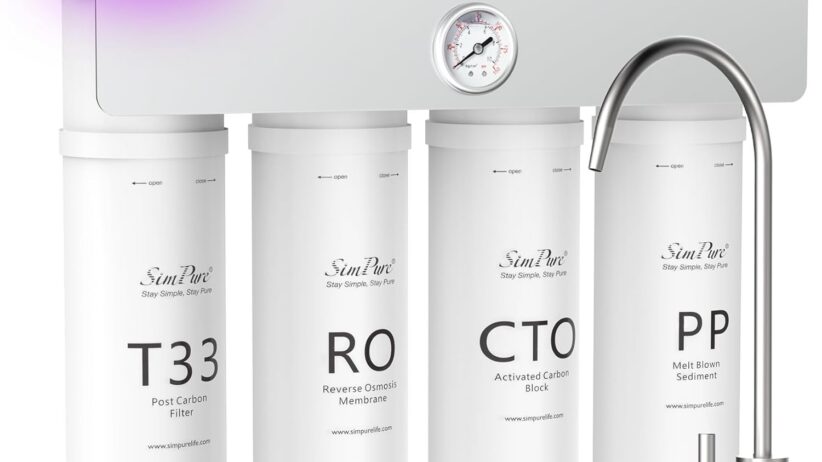
The undersink baseline, no extras
SimPure T1-400 Tankless Reverse Osmosis Water Filter System 400 GPD400 GPD tankless RO at a lower price point. No remineralization, no UV — just direct-line filtration that relies on your house pressure. Simple installation, simple maintenance.
RO plus UV plus minerals in one box
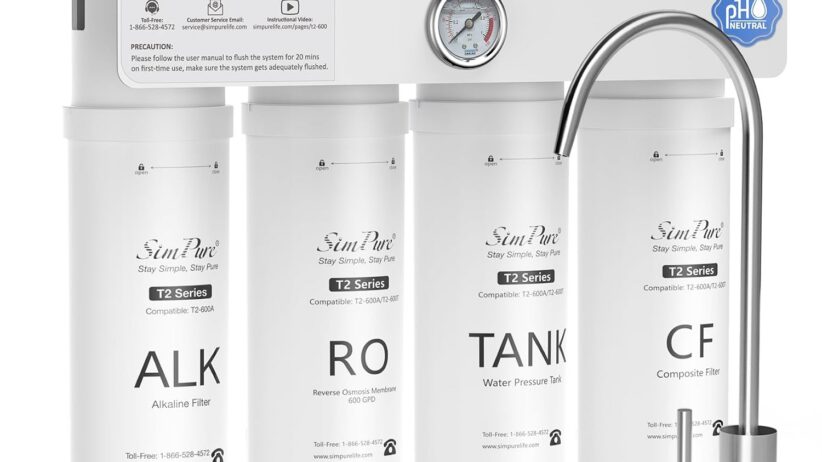
SimPure T2-600A UV Alkaline Reverse Osmosis Water Filter 600 GPD600 GPD undersink RO with alkaline remineralization and UV sterilization. The UV stage is insurance against membrane seal degradation — a failure mode you can't taste or see until it matters.
Filtered water anywhere, eventually
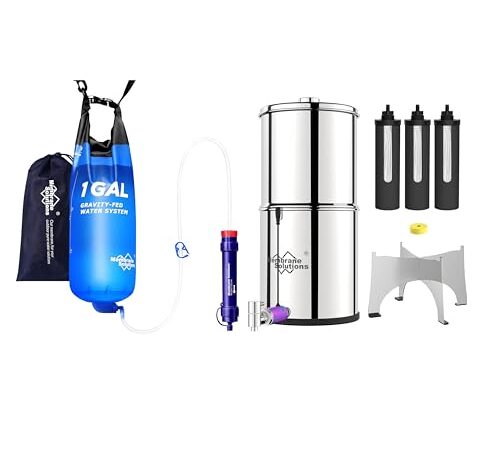
Membrane Solutions 1 Gallon Gravity Water Filter with 2.25 Gallon U3P New Gravity-fed Water Filter SystemGravity-fed filtration with no plumbing, no electricity, no pressure requirements. Batch-fills on its own schedule — fill the top, pour from the bottom when it's ready. Slow by design, portable by nature.
How we picked
We did not install these systems. Picks reflect membrane ratings, plumbing requirements, component specs, and aggregate user reports.
Rated daily output under lab conditions establishes the ceiling; surface area determines how close real-world flow gets to that ceiling.
Undersink systems need 40-60 PSI to reach rated flow. Countertop and gravity designs eliminate the pressure dependency entirely.
On-demand filtration responds to line pressure in real time. Storage tanks mask slow membranes but introduce stagnation risk.
UV, remineralization, and carbon polishing each add flow resistance. More stages usually mean slower delivery, not better water.