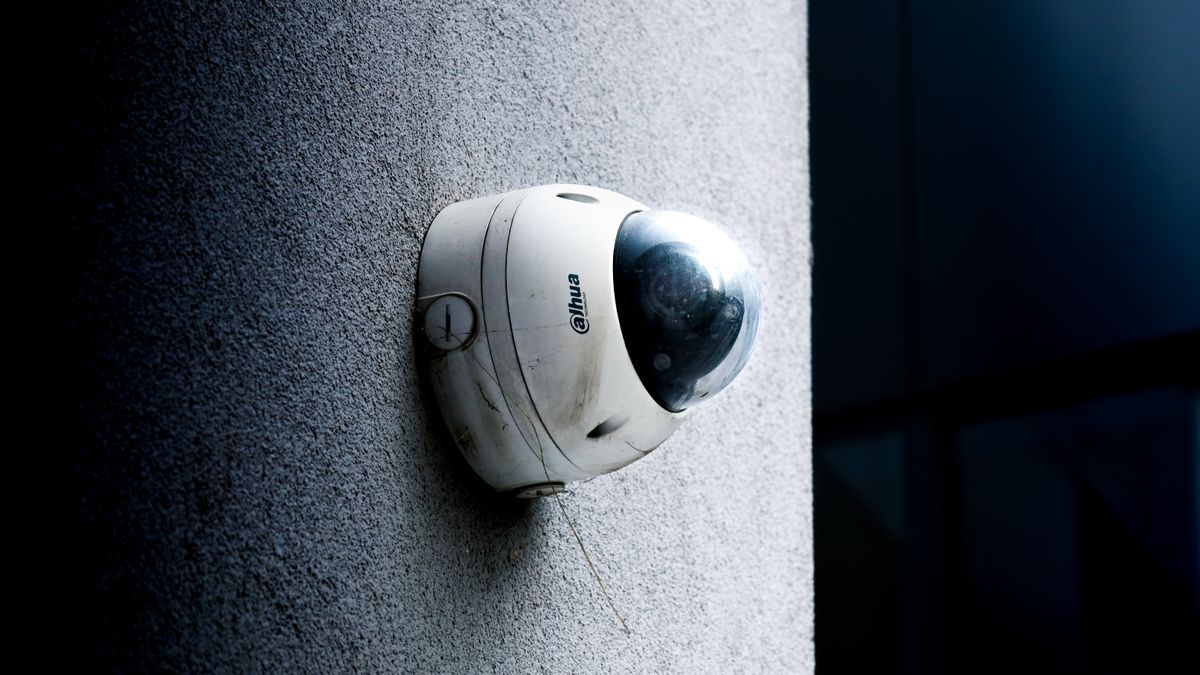
Every infrared emitter inside a dome camera bounces light off the polycarbonate bubble between it and the scene. One lens means one ring of emitters. A triple-lens camera triples that count behind the same shared surface — and the wash-out that ruins night footage after a few months outdoors scales with it. Understanding why helps you decide whether the resolution premium is worth the maintenance trade-off.
Affiliate disclosure: This article contains affiliate links. We may earn a commission if you buy through them, at no extra cost to you.
Everything we recommend
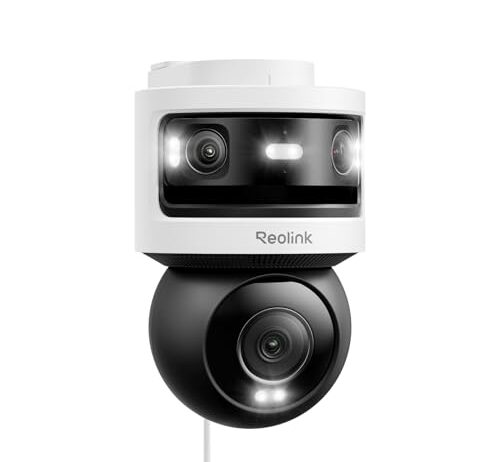
Maximum detail when the dome is maintained
REOLINK OMVI 3i WiFi, 10MP+8MP 4K, Triple-Lens Outdoor Security CameraTriple-lens 4K with 10MP and 8MP sensors captures the most scene data of this group — the choice when you'll commit to regular dome cleaning and want the sharpest footage between maintenance intervals.
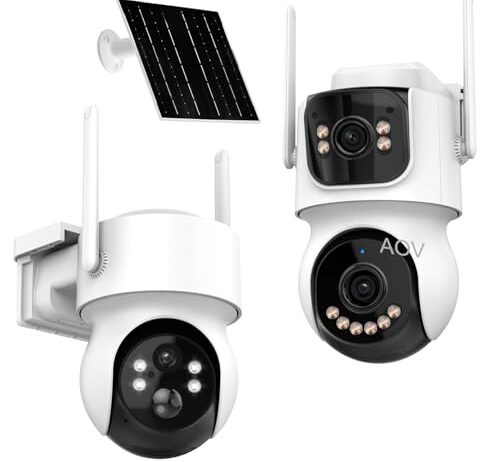
Solar-powered with continuous recording
4MP Wireless Solar Security Camera Outdoor and AOV 8MP Dual-Lens Solar WiFi Security Camera with 24/7 Recording, 9W Solar Panel & 10000mAh Battery, 360° PTZ, WiFi 6, Auto Tracking, Three NigA 9W solar panel and 10,000mAh battery keep this dual-lens camera running without a power cable. WiFi 6 and 360° PTZ give you flexibility, but the exposed mounting solar demands puts dome care on a shorter schedule.
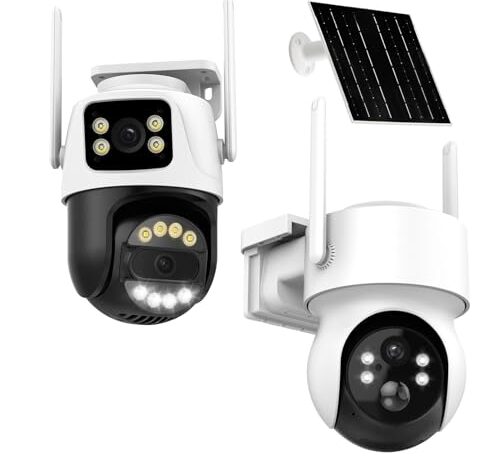
Floodlight gives you an IR-free fallback
4MP Wireless Solar Security Camera Outdoor 6MP Dual Lens WiFi Security Camera WiFi Home Surveillance PTZ Cam with Floodlight, Human Detection, Siren Alarm, 98FT Night Vision, 2-Way TalkAt $77.33 with an integrated floodlight and 98-foot IR range, this dual-lens camera lets you switch to visible-light night mode when dome contamination kills IR performance — a workaround the other two don't offer.
How we picked
We do not mount these cameras outdoors. Judgement is based on published IR emitter counts, dome geometry, and marketplace review patterns.
Multi-lens systems concentrate more IR sources behind the same polycarbonate surface, amplifying reflection that causes wash-out.
Higher advertised ranges require more emitters, increasing the bounce-back problem when the dome accumulates film or condensation.
Cameras offering visible-light night modes or floodlights provide an alternative when IR becomes unusable due to dome contamination.
Solar-powered models typically require exposed positions that accelerate pollen, dust, and moisture accumulation on the dome surface.